
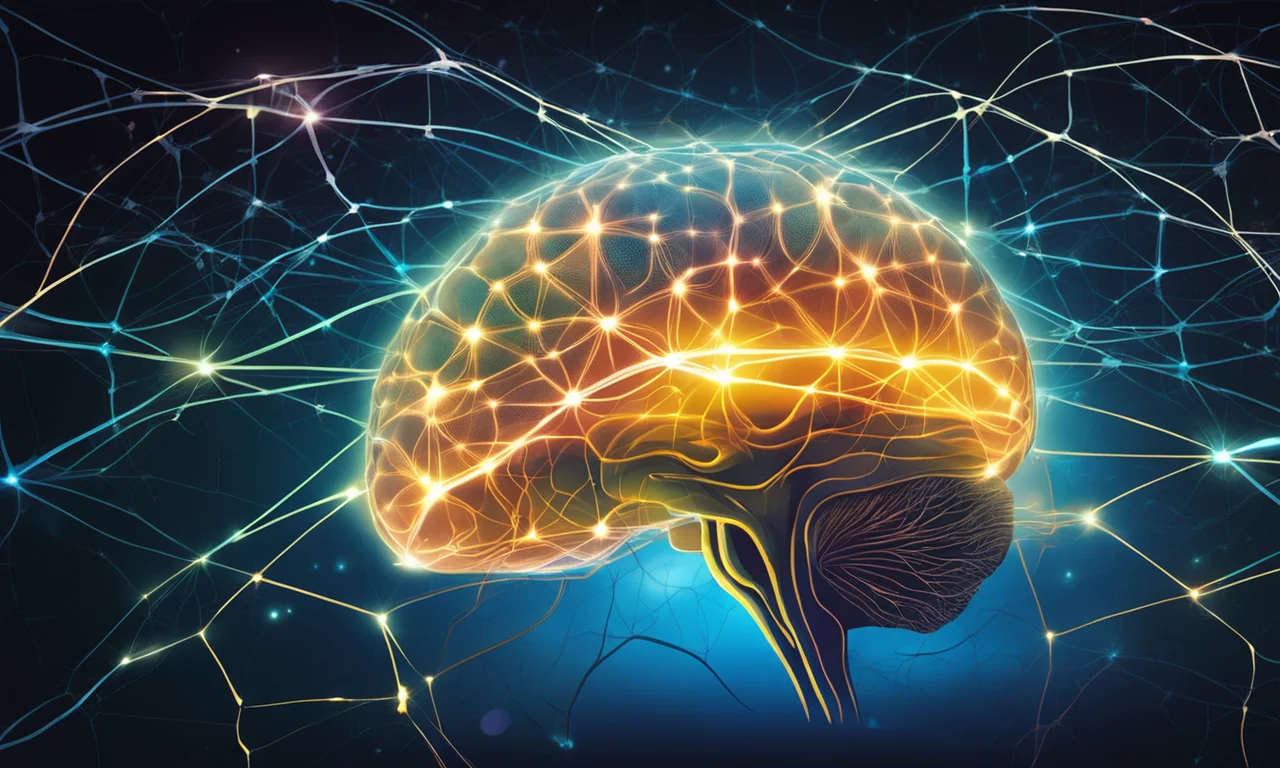
The integration of 3D visualization and AI transforms science education and healthcare
The convergence of interactive learning tools and multimodal health data drives innovation in wellness and discovery.
Today's #science and #health conversations on X revolve around the dynamic interplay between education, technology, and the evolving understanding of nature and wellness. Engagement-driven threads highlight both the innovative and playful sides of scientific discourse, revealing how learning, health, and discovery are increasingly interconnected.
Reimagining Science Education and Visualization
Innovative approaches to science education dominate discussions, with platforms like Smart Biology advocating for engaging, interactive course materials that leverage 3D animation to make complex concepts accessible. The visual power of math and science is further underscored through resources such as gravity visualizations on GeoGebra, which enable students and educators to grasp abstract phenomena through interactive applets.
"Bacteria move around using a molecular machine called the flagellar motor that rotates faster than the flywheel of a race car engine and switches directions in an instant. After 50 yrs, scientists have finally figured out how it works. ‘My lifelong quest is now fulfilled.'"- Natalie Wolchover (30000 points)
Lighthearted threads, such as the playful speculation about hair standing on end due to friction, illustrate how curiosity and humor can spark scientific engagement. The exploration of communication networks among canopy species in the Amazon, as shared by Manuela Casasoli, emphasizes the importance of ecological research in understanding information flow within megadiverse environments.
Health, Wellbeing, and the Multidimensional Data Revolution
The conversation shifts towards holistic health, with posts stressing the value of integrating multimodal data streams—ranging from genomics to lifestyle patterns—for smarter AI-driven healthcare, as articulated by Dr. Monika Sonu. Practical wellness advice, such as the recommendation to spend 120 minutes in nature each week, bridges the gap between science and everyday life, reinforcing the tangible benefits of environmental engagement.
"When you take care of yourself it feels easier to take care of everything else"- Action for Happiness (383 points)
Further, actionable guidance like deep breathing techniques to activate the parasympathetic system and dietary tips from Dr. Dennis Walker on calcium-rich foods are prominent, providing readers with science-backed strategies for everyday health. These threads reinforce the multi-dimensional nature of health, where physical, mental, and environmental factors intersect.
Exploration and the Boundaries of Scientific Discovery
Curiosity extends beyond Earth, with NASA's Curiosity rover's discovery of life's building blocks on Mars igniting speculation and excitement about extraterrestrial science. The playful tone of space-related threads, such as Kerbal-inspired musings on interstellar exploration, exemplifies how science fiction and real discoveries converge to foster engagement and wonder.
"SAM's detection of nitrogen and sulfur-bearing organics in ancient Martian sediments advances life-detection instrument design. This breakthrough drives aerospace innovation and engineering career growth."- Max Ingenieur (0 points)
Across all themes, today's X discussions demonstrate how digital platforms are amplifying science and health literacy, encouraging both rigorous inquiry and creative exploration. This synthesis reveals a community eager to bridge the gap between discovery, learning, and wellbeing—whether through advanced AI, nature engagement, or curiosity-driven conversation.
Excellence through editorial scrutiny across all communities. - Tessa J. Grover