
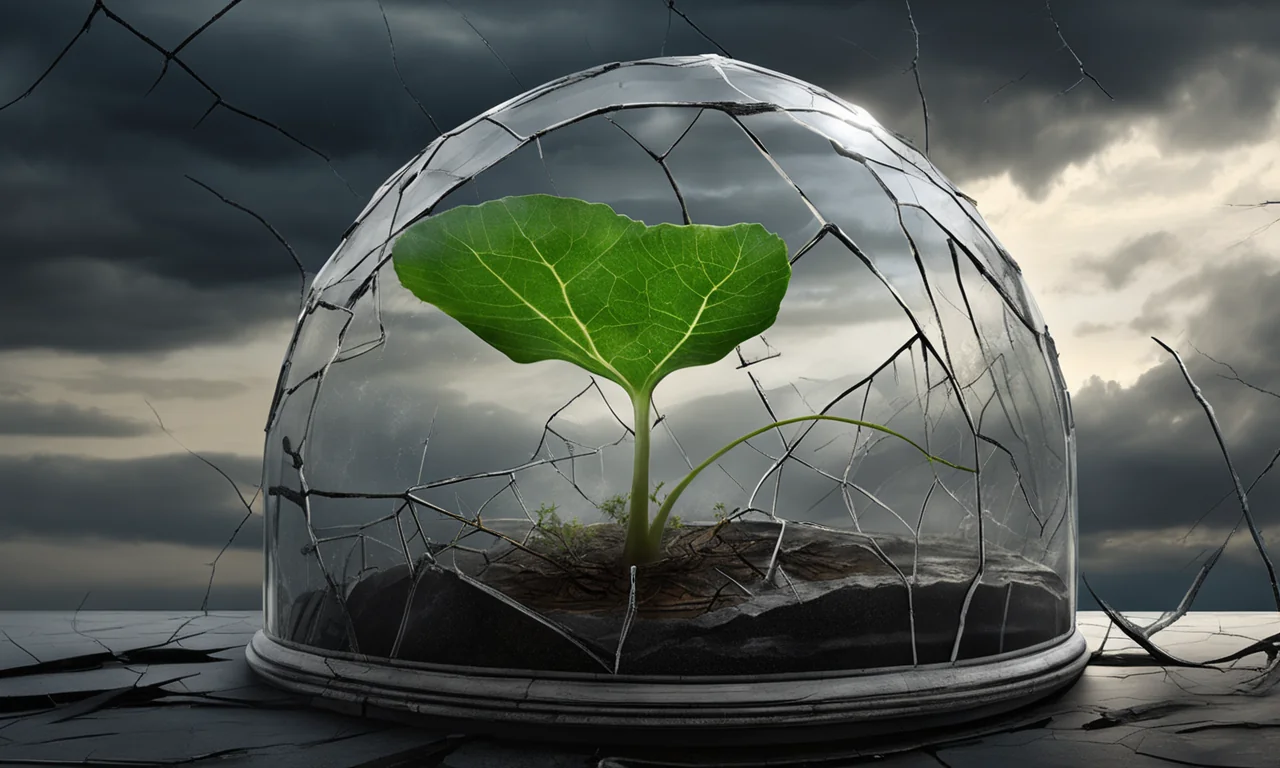
Political Interference Fuels Crisis in U.S. Science Institutions
The erosion of scientific integrity sparks urgent calls for expert-led reform and renewed collaboration.
Bluesky's science and health threads today were anything but subtle, reflecting a landscape shaped by political sabotage, institutional decay, and flashes of scientific promise. Beneath the surface-level despair, the community's frustration coalesced into a call for radical reform and fresh leadership. As debates on policy and discovery intermingle, the day's discourse exposes a stark divide between the restoration of scientific integrity and the relentless politicization of health expertise.
Science Under Siege: Political Decay and Institutional Crisis
Discussion surrounding the erosion of science and health institutions was unmissable, with posts like Andrea LaFlamme's candidacy pitch framing the Trump administration as a wrecking ball to scientific infrastructure. Her call to “stack Congress with experts in health and science, not lawyers and business people” resonated against a backdrop of demoralized professionals, as Sbooks lamented the systematic dismantling of public health in another widely shared post. The thread expanded with chilling specifics from Sheryl Gay Stolberg's exposé on expert reassignment at the EPA, underscoring how the administration sidelined those best equipped to protect public safety.
"Last year was so demoralizing, as someone with a science degree who worked outside of it, and seeing my friends and network just lose their jobs en masse. Had neighbors begging me to help them find a job. I tried my best, but my industry couldn't absorb everyone. So, so brutal."- @erinaceousphd.blacksky.app (5 points)
Posts like Walker Bragman's critique of anti-vaccine groups infiltrating the CDC, and the satirical outrage expressed in Bullwark's post on funding research into America's most despised figures, underline how science is being subsumed by politics and spectacle. Meanwhile, Colette Delawalla's announcement of the Institute to rebuild federal science capacity reflects both the urgency and difficulty of reversing the damage.
"We are DELIGHTED to welcome @colesci.bsky.social to the SUFS team as our Director of Science Policy and Advocacy, bringing with him expertise developed in the White House OSTP, the State Dept, and the National Academies."- @cdelawalla.bsky.social (81 points)
Scientific Innovation Amidst Collaboration Anxiety
Despite the decay, scientific innovation persists in the margins. Posts like Science Magazine's genomic study on South American migration and the Malawi housing intervention highlight the potential for impactful discoveries when science is allowed to operate unhindered. These stories stand in stark contrast to the pervasive anxiety about cross-border collaboration, as illustrated in Science Magazine's reflection on the threatened culture of mentorship and openness among Chinese-American scientists.
"I became the scientist I am because my supervisors and collaborators were willing to share ideas, resources, and mentorship. It is a strange feeling for me to see that culture threatened."- @science.org (44 points)
In the realm of translational medicine, the promise of gene editing to tackle “untreatable” mutations is evident in Science Magazine's report on cystic fibrosis. Yet, even these advances are shadowed by the political meddling in science funding, as captured by John Wares's blunt critique. The day's discussions reveal that, while scientific progress remains possible, its sustainability depends on depoliticizing expertise and restoring trust in collaborative, evidence-based inquiry.
Journalistic duty means questioning all popular consensus. - Alex Prescott