
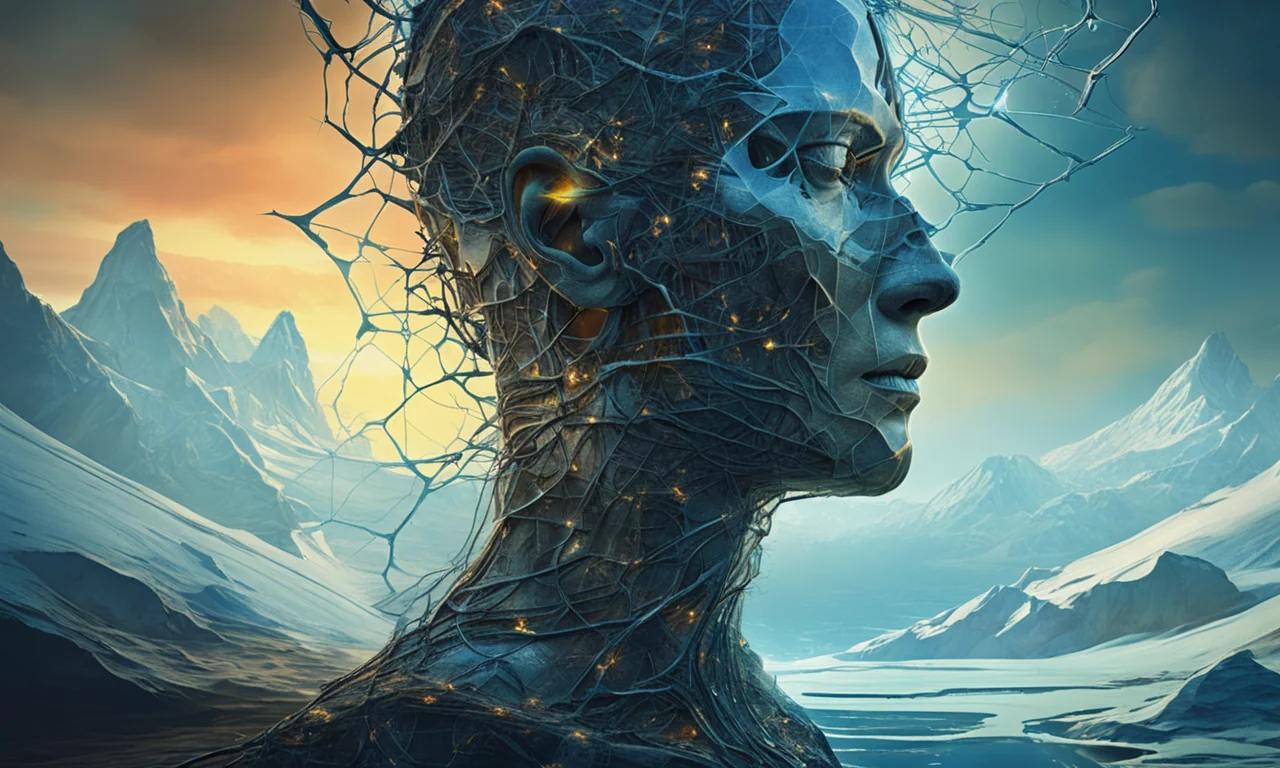
Modern pressures outpace our systems and reshape health and behavior
The biological, digital, and climatic inputs are accumulating subtle changes with population-scale impacts.
Across r/science today, a single throughline emerged: modern environments—biological, digital, and climatic—are reshaping us faster than our systems adapt. From sex-specific immune aging and real-world drug side effects to smartphone-shaped brains, shifting sleep, and even longer summers, the community threaded together how small, pervasive changes compound into population-level consequences.
Immune systems under pressure: sex differences, neuroinflammation, and exposure
Two immunology threads framed how biology diverges by sex and manifests in behavior. A broad single-cell analysis from the Barcelona Supercomputing Center mapped how the female immune system changes more dramatically with age, with inflammatory cells rising over time. In parallel, UC Davis MIND Institute researchers reported that regulatory T cells are altered in autistic children, linking immune “brakes,” neuroinflammation, and behavior.
"Sounds like symptoms of malnutrition which GLP-1s can cause when you aren't eating enough....."- u/knz-rn (6154 points)
Real-world data also took center stage. Community-sourced evidence on GLP-1 medications highlighted patient experiences—fatigue, menstrual irregularities, chills—beyond trial protocols in a discussion of Reddit-reported side effects. And environmental exposure loomed large as a mouse study traced trace PFAS in drinking water to multigenerational mitochondrial deficits, reinforcing how subtle stressors can ripple across development, metabolism, and immunity.
Brains on modern inputs: molecules, media, and sleep
Neuroscience threads mapped a continuum from pharmacology to daily tech. A clinical report suggested low doses of LSD shift emotional reward processing in mild depression, while a synthesis of imaging studies tied problematic smartphone use to altered gray matter and connectivity in reward, control, and emotion circuits. Together, they sketch how chemicals and feeds alike can tune neural pathways—and, by extension, mood and decision-making.
"Could it be something like: Long sleepers don't have time to exercise properly, short sleepers are too tired to exercise properly?..."- u/guvbums (175 points)
Sleep rounded out the picture with a long-term cohort showing that both short and long sleep in midlife predict later-life frailty, spotlighting recovery as a biological bottleneck. The thread's questions about exercise, energy, and routine capture a larger takeaway: brains and bodies adapt to the inputs we sustain—doses, devices, and durations—and those adaptations accumulate.
Longer summers, sharper divides
Climate and culture converged on the idea of divergence. An analysis of temperature thresholds found that summers across the midlatitudes now last roughly 30 days longer than in the 1960s, accelerating heat accumulation with plain implications for health and infrastructure. At the same time, social research suggested people are more disturbed by beliefs they view as false than by mere differences, and a global dataset argued that modernization may be increasing cultural differences rather than smoothing them out.
"You can't reason someone out of a position they didn't reason themselves into, is what i have to keep telling myself to stop me from debating family on some of the most delusional takes social media has taught them...."- u/_tobias15_ (442 points)
That pairing—lengthening summers and widening value gaps—raises a practical puzzle for science translation and policy. As physical seasons stretch and stress systems, the social seasons of trust and cooperation appear to shorten, making the work of aligning risk perception and collective action both more urgent and more complex.
Every subreddit has human stories worth sharing. - Jamie Sullivan