
Researchers Pioneer Mitochondria Transplantation for Neurodegenerative Disease Treatment
The latest biomedical advances spark urgent debates on health policy, institutional trust, and social disparities.
Today's Bluesky science and health conversations reveal a landscape grappling with both technological promise and political turbulence. From advanced biomedical breakthroughs to heated debates over health policy and institutional trust, the platform is abuzz with a sense of urgency and innovation. This day's discourse is defined by the tension between transformative scientific progress and societal challenges in healthcare governance.
Scientific Frontiers: Therapeutic Innovation and Deep-Brain Technology
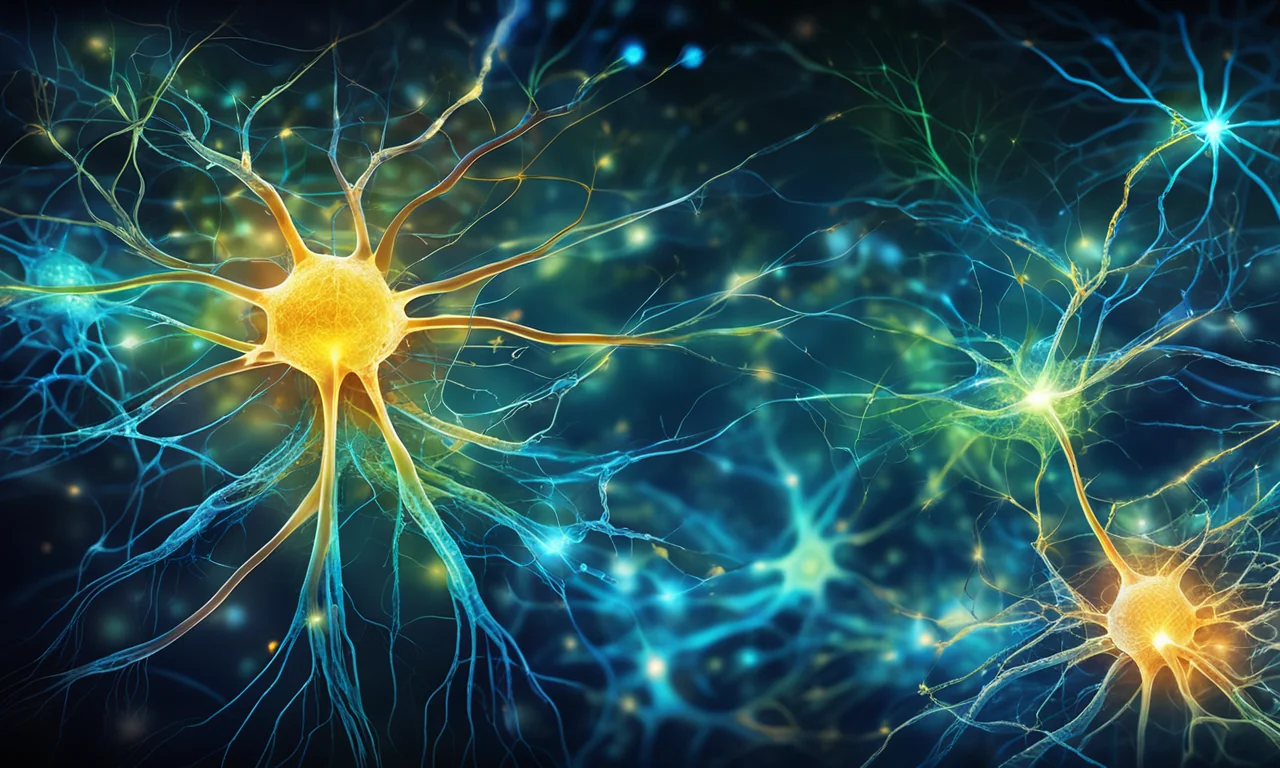
The pursuit of innovative treatments dominated much of the discussion, with several posts spotlighting emerging biomedical strategies. Notably, researchers have developed a method to transplant healthy mitochondria into animals, a potential game-changer for neurodegenerative and genetic diseases. The technique employs vesicles from red blood cells to deliver therapeutic cargo, offering a new avenue for tissue repair and reduced inflammation. Complementing this, another breakthrough describes temporal interference stimulation, a non-invasive approach using colliding ultrasound currents to target deep-brain regions, potentially revolutionizing neurological disorder treatment without surgery.
"Researchers say they have developed a new way to transplant healthy mitochondria into animals harboring defective versions—a strategy the team hopes could one day treat certain neurodegenerative disorders and inherited genetic diseases in people."- @science.org (95 points)
Meanwhile, discussions on prion diseases, highlighted in a blunt exposé of deadly prion infections, underscored the persistent threats posed by rare neurological conditions. The urgency of accurate diagnosis and prevention resonated strongly, as did the ongoing quest for effective treatments. Even science fiction themes, such as AI nurses in rural healthcare, were scrutinized for their practical feasibility, with skepticism about current technological readiness echoing through the replies.
"Even the technology we do have (video telehealth, with HD cameras, stethoscopes, etc) is cumbersome and slow, and while yes, allows you to do an evaluation of a patient at a remote rural site, it is not the same as having that patient in a hospital with those same specialists physically present."- @dimitridrekonja.bsky.social (5 points)
Health Policy, Institutional Trust, and Social Disparities
Against the backdrop of scientific progress, health policy debates were front and center. The politicization of the CDC, as detailed by Gov. Bob Ferguson, drove calls for state autonomy and regional alliances in vaccine decision-making. Trust in health institutions was further challenged by posts questioning leadership's understanding of health science, including doubts about health science literacy and the impact of COVID-19 on excess mortality, as explored in a new study revealing significant undercounted deaths.
"The most up thing I have seen in a long long time is that the 1999-2020 increasing middle age death rates have turned around and have been going down since 2020, Biden really achieved something that has generally gone unnoticed."- @pecanjim.bsky.social (46 points)
Global perspectives on healthcare access surfaced as users compared systems, with one reflection on Germany's comprehensive care contrasting sharply with U.S. struggles. Population health trends were analyzed, showing a promising reversal of rising middle-age death rates since 2020, as highlighted in recent data. Science outreach was also visible, with posts like high school hail mitigation experiments inspiring novel approaches to real-world challenges. The day's discourse demonstrates that while scientific innovation is thriving, societal and policy questions remain pivotal, shaping the trajectory of health outcomes and public trust.
Every community has stories worth telling professionally. - Melvin Hanna