
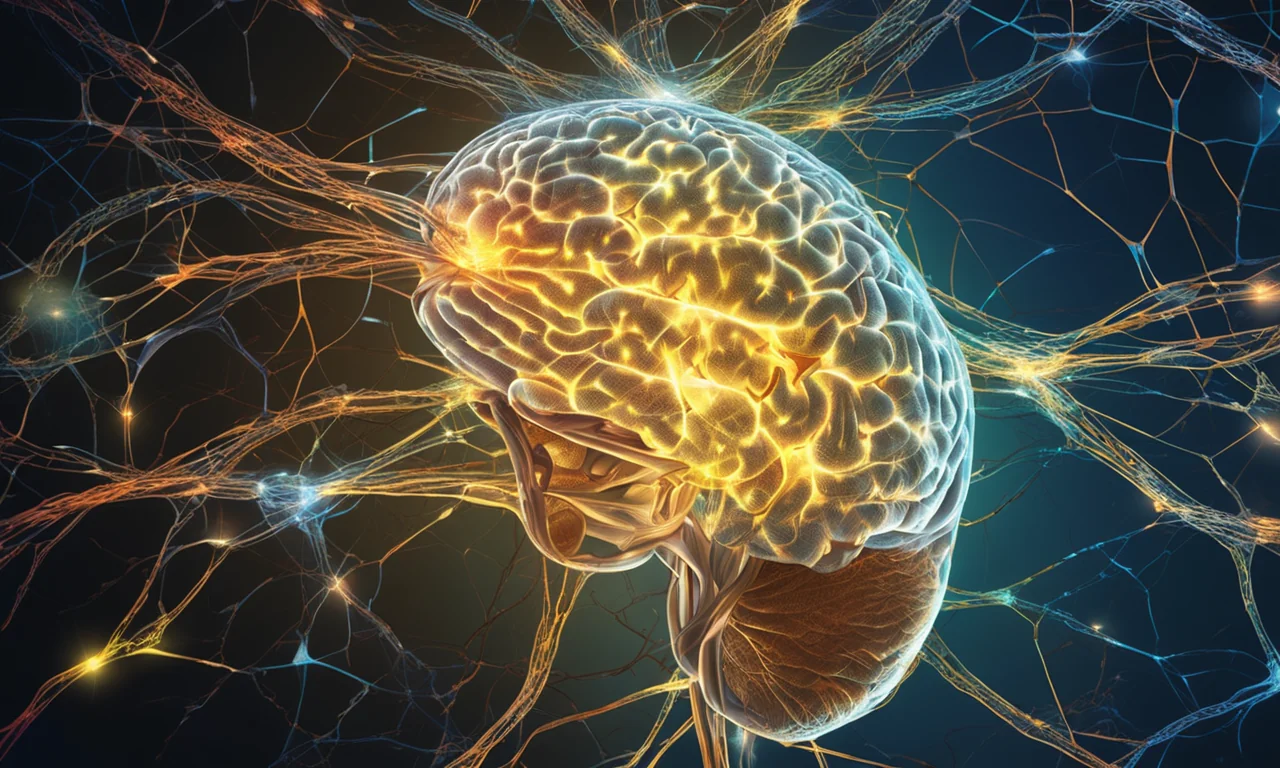
Evidence challenges diet myths and shows adaptable cognition and care
The latest studies favor rigorous baselines and show how misinformation alters clinical behavior.
Across r/science today, discussion converged on how malleable human biology and behavior can be—and how the quality of evidence can redirect both personal habits and clinical care. From neural pathways and personality shifts to nutrition metrics and the social costs of misinformation, the community weighed promise against rigor.
Neuroplasticity and resilience: from molecules to mindsets
At the mechanistic end, the community spotlighted a mouse study indicating that tweaking neural signaling can reshape behavior, as seen in the report that blocking a common brain gas reversed autism-like traits, alongside new evidence tying ABCA7 deficiency to glutamate excitotoxicity in Alzheimer's. Developmental trajectories drew similar attention: longitudinal data on pandemic disruptions and children's executive function underscored how large-scale shocks can temporarily reroute early cognitive growth.
"Wow be pretty funny if my lifelong issues were easily solvable with nitric oxide blocking...."- u/FriendlyNeighburrito (2174 points)
Zooming out, r/science emphasized human adaptability well beyond the lab: a Yale analysis showing many older adults improve cognition and mobility challenged decline narratives, while a twin study suggested that childhood trauma does not inevitably determine adult outcomes. Social context kept resurfacing as a lever, with evidence that supportive relationships can nudge personality toward positive change, reinforcing a cross-cutting theme: biology and behavior are not fixed endpoints but moving targets, responsive to environment, belief, and intervention.
Nutrition, cognition, and the humility of null results
In the food-and-brain lane, a widely discussed cohort analysis found that ultra-processed foods were not linked to faster mental decline, prompting healthy skepticism about self-reported diet and the limits of observational design. Complementing that nuance, a long-term population study suggested that higher dietary protein intake tracked with greater odds of metabolic syndrome reversal, but the effect varied by source and stage—underscoring that “more” is not a blanket prescription.
"The headline has to specify higher than what. What is the comparison benchmark? If none is given, readers will assume it is what they are currently consuming. That conclusion will be wrong."- u/DrTonyTiger (108 points)
Taken together, these threads showcased r/science's insistence on baselines, effect sizes, and confounders—celebrating null findings that clarify the field as much as positive ones that tempt oversimplified headlines. The overarching signal: better methods and clearer benchmarks beat bold claims when the goal is durable public guidance.
Credibility, morality claims, and real-world consequences
When science communication collides with politics, the cost is measurable: members engaged with evidence that an unproven autism claim by a political figure altered Tylenol ordering in pregnancy-related emergency care, a stark example of how cues from authority can reshape clinical behaviors overnight.
"Unproven is a generous way to say 'baseless'."- u/Phil_Bond (382 points)
Parallel debates about trust surfaced in social science findings that hypocrisy and intolerance can drive religious doubt among college students, illustrating a broader heuristic at play: communities judge claims by the coherence between professed values and observed behavior. Across threads, r/science rewarded evidence over assertion and integrity over ideology—a through-line that, if sustained, could make public-facing science more resilient to doubt and distortion.
Excellence through editorial scrutiny across all communities. - Tessa J. Grover