
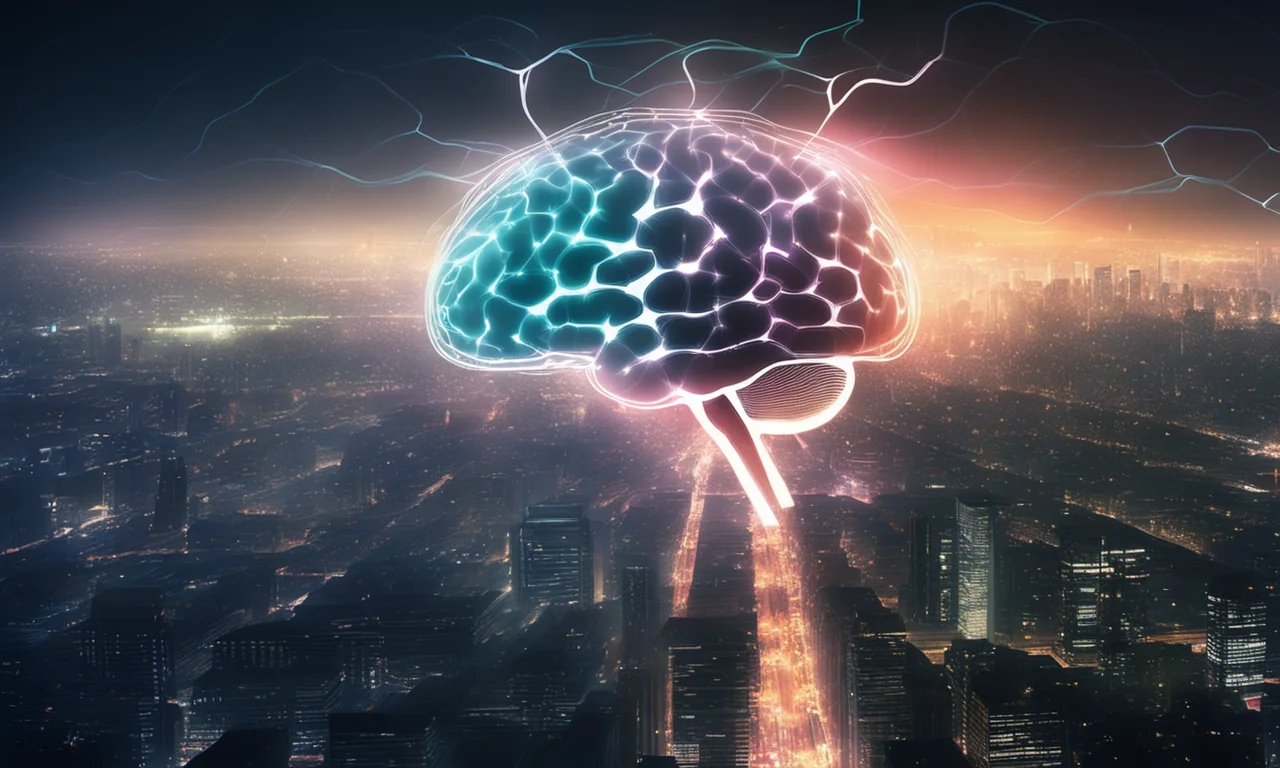
New Research Links Urban Pollution to Accelerated Cognitive Decline
The latest findings reveal that long-term exposure to city air pollution poses severe risks to brain health and dementia rates.
Today's science and health conversations on X reveal a landscape dominated by the invisible threats to wellbeing, the subtle victories often overlooked, and the unstoppable march of innovation. From the insidious toll of pollution on the human mind to the unexpected sources of medical insight, the pulse of discussion is anything but conventional. Instead of celebrating breakthroughs, users dissect the hidden risks and question which achievements actually merit attention.
Invisible Threats and Forgotten Triumphs in Health
The conversation surrounding air quality and cognitive health commands urgent attention, with new findings on how long-term pollution exposure in major cities such as Delhi doesn't just attack the lungs but quietly accelerates cognitive decline and dementia. This revelation, illuminated by the latest report on Delhi's air and brain health, is a wake-up call for communities worldwide that have long ignored the silent killers lurking in the smog.
"Delhi's air isn't just harming lungs—it's quietly damaging the brain. From cognitive decline to early dementia, new research reveals the shocking risks of long-term pollution exposure. A crisis we can't ignore anymore."- SA News Channel (647 points)
Amidst these grim headlines, a rare moment of reflection emerges as users remind each other that being healthy is itself a success—one too easily forgotten. The backdrop of cognitive health discussions is set by a flurry of links, including early warning signals for Alzheimer's from medical experts, calls for better support for dementia caregivers, and the exploration of what dementia truly means. It's clear that while disease dominates headlines, the celebration of resilience and wellness is an underappreciated narrative.
"Being healthy is a success that many people forget to celebrate."- Dr Pooja Garg (77 points)
Rethinking Value in Science: From Trash to Treasure
Turning scientific dogma on its head, users challenge the status quo with revelations that what is routinely dismissed in research—such as flow-cytometry doublets—can be a rich source of tumor-reactive T cells, underscoring the need to scrutinize what's deemed waste in medical studies. This willingness to question accepted norms extends to gut health, where discussions highlight that endotoxins and their role in abnormal clotting demand a new approach to risk management and self-care.
"As the saying goes, one man's trash is another man's treasure: the flow-cytometry doublets that are routinely excluded from analysis are in fact a rich source of tumor-reactive T cells."- David Usharauli (126 points)
Even in the world of mathematical and scientific theory, skepticism reigns. The playful critique of the Taylor expansion's perceived elitism exemplifies how the scientific community isn't afraid to poke fun at itself, suggesting that the path to insight might be paved with humility as much as with rigorous calculation. Meanwhile, stories like the evolution of city raccoons into new species reinforce that change—whether in a laboratory or a city street—often emerges where least expected.
Progress and Resilience: The Global Science Pulse
The global picture is no less provocative. China's cities continue their relentless climb in the Nature Index for top science cities, signaling a dramatic shift in where scientific powerhouses reside and how technology—like public demonstrations with robotic innovations—captures the imagination of new generations. The narrative is not merely about who leads, but about how quickly the tides turn in the world of science.
Brain health and resilience thread through multiple conversations, with research showing that longer lifespans correlate with slower cognitive decline and greater emotional resilience. As the community shares resources from music therapy to practical wellness strategies, the focus is clear: longevity and resilience are as much social triumphs as they are scientific ones. The day's feed doesn't just document change—it provokes it, spotlighting hidden risks, overlooked victories, and the strange beauty of progress.
"Longer Lifespans Linked to Slower Cognitive Decline and Greater Brain Resilience."- Ian Kremer (19 points)
Journalistic duty means questioning all popular consensus. - Alex Prescott